
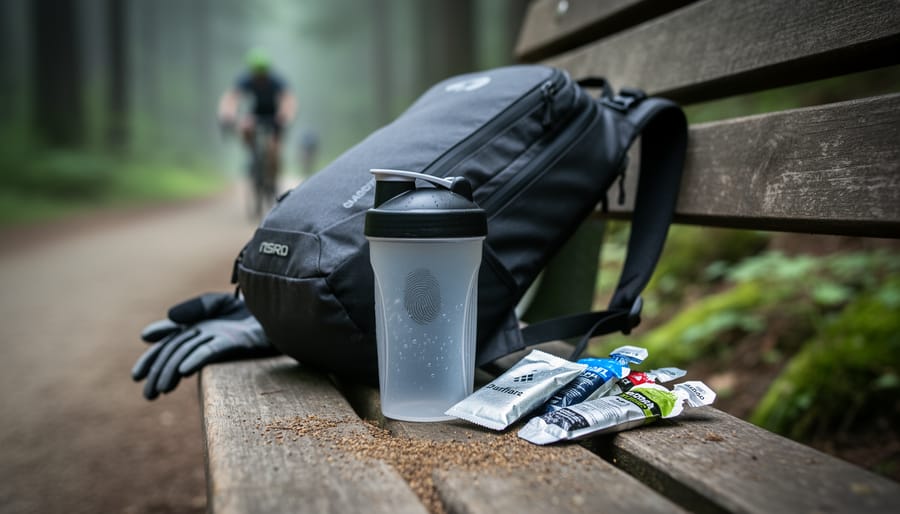
Supplements endurance athletes actually benefit from are those that address specific physiological demands of prolonged activity: primarily caffeine, beta-alanine, nitrate-rich beetroot products, and sodium bicarbonate, with carbohydrate and electrolyte formulations during exercise. Unlike the hundreds of products marketed to athletes, only a handful have consistent research demonstrating measurable improvements in endurance performance, whether you’re tackling a multi-day trail run, cycling centuries, or logging weekly training miles.
The supplement industry generates billions annually by promising faster times and easier efforts, but most products lack evidence that translates to real-world results. Endurance athletes face unique challenges: sustaining energy output over hours, managing fatigue accumulation, maintaining hydration balance, and recovering between efforts. The right supplements target these mechanisms directly rather than vague claims about “boosting energy” or “optimizing performance.”
This matters because endurance training is demanding enough without wasting money and stomach space on ineffective products. You’re already investing significant time, energy, and resources into your pursuit. Knowing which supplements actually work means you can make informed decisions about what deserves a spot in your pack or training routine.
The key is understanding not just which supplements help, but how they work and when to use them. Some improve performance during a specific event, others support your training adaptations over weeks, and a few address the unique demands of multi-hour efforts in remote environments where nutrition strategy becomes survival strategy.
The good news? The shortlist of effective supplements is genuinely short. For athletes exploring options in supplements australia and beyond, cutting through marketing hype to evidence-based choices means better performance without the guesswork.
What Endurance Supplements Are and Why They Matter
Endurance supplements are concentrated nutritional products formulated to support the specific physiological demands of sustained physical activity lasting 90 minutes or longer. Unlike general multivitamins that fill everyday nutritional gaps, these performance-specific supplements target the metabolic stress points that emerge when you’re deep into a trail run, grinding through a century ride, or pushing through day three of a backpacking trip.
The distinction matters because your body faces entirely different challenges during extended outdoor efforts compared to normal daily life. A quality multivitamin might prevent a vitamin D deficiency, but it won’t help you maintain power output in hour four of a mountain bike ride or bounce back after consecutive days on the trail.
When you push past that 90-minute threshold, several critical systems start hitting their limits. Your muscles burn through stored carbohydrate reserves, your sweat drains essential minerals, muscle fibers accumulate microscopic damage, and your immune system takes a hit from the sustained stress. Here’s what those technical terms actually mean in your body:
- Glycogen
- Your muscles’ stored form of carbohydrate, which fuels moderate to high-intensity effort. Most athletes deplete their glycogen stores after 90-120 minutes of sustained activity.
- Electrolytes
- Minerals like sodium, potassium, and magnesium that regulate fluid balance, muscle contractions, and nerve signals. You lose significant amounts through sweat during prolonged outdoor activities.
- Aerobic Metabolism
- The oxygen-dependent energy system that powers endurance activities. It’s efficient but demands steady fuel and oxygen supply to sustain performance.
- Oxidative Stress
- The accumulation of reactive molecules during prolonged exercise that can damage cells and slow recovery. Antioxidant-rich supplements may help mitigate this.
- Bioavailability
- How readily your body can absorb and use a nutrient from a supplement. The same nutrient in different forms can have vastly different absorption rates.
Performance-specific supplements address these challenges directly. An electrolyte drink replaces the sodium you’re sweating out on a hot climb. A carbohydrate gel delivers quick fuel when your glycogen tanks are running low. Protein powder accelerates muscle repair after you’ve hammered yourself on a long day. They’re targeted solutions for predictable problems that every endurance athlete faces.
How Endurance Supplements Work in Your Body
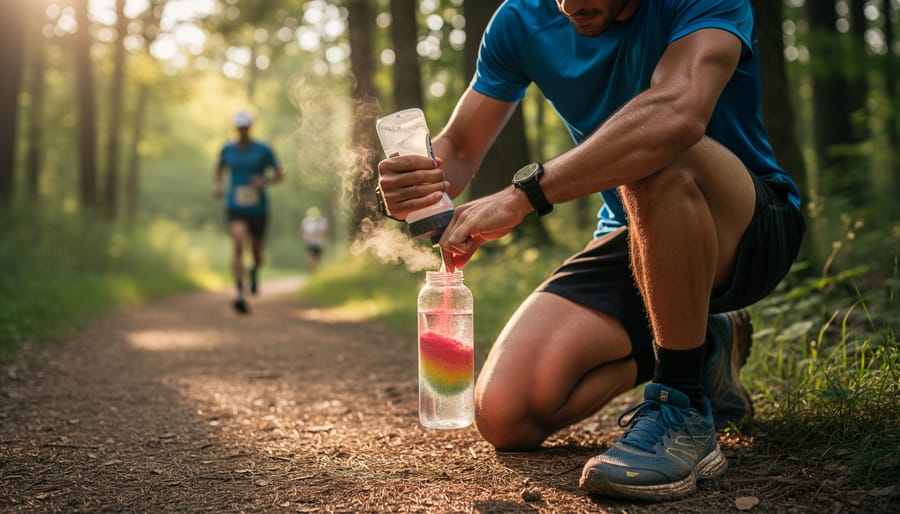
Your body runs endurance activities through interconnected systems that supplements can support when you understand the mechanisms at play. During the first hour of exercise, your muscles burn stored glycogen for fuel. Once those reserves drop below 50%, your body shifts toward fat oxidation, a slower but longer-lasting energy source. Carbohydrate supplements work by maintaining blood glucose levels and delaying glycogen depletion, which extends the time before fatigue sets in. Caffeine operates differently: it blocks adenosine receptors in your brain, reducing perceived effort and potentially increasing fat oxidation, letting you push harder for longer on that summit climb or trail marathon.
Electrolyte supplements address a different challenge. When you sweat during a five-hour bike tour or multi-day trek, you lose sodium, potassium, and magnesium along with water. These minerals regulate fluid balance between cells, enable muscle contractions, and support nerve signaling. Replace fluids without electrolytes and you risk hyponatremia, dangerously low sodium levels that cause confusion, cramping, and worse. Sodium drives water absorption in your intestines, which is why sports drinks work faster than plain water. The typical endurance athlete loses 500-1000mg of sodium per hour in moderate conditions, more in heat or at altitude.
Recovery supplements target the damage that accumulates during long efforts. Protein provides amino acids for repairing muscle fibers torn down during exercise. Omega-3 fatty acids reduce inflammatory signaling that causes soreness and slows adaptation. Antioxidants from sources like tart cherry help manage oxidative stress without completely blocking the beneficial adaptations your body makes to training.
Timing matters as much as content. Your gut absorbs simple carbohydrates within 15-30 minutes, making them useful mid-activity. Protein takes two to three hours to break down and reach muscles, so post-exercise timing is less critical than once believed, anywhere within a few hours works. More isn’t better: your body can only process about 60 grams of single-source carbohydrates per hour, and megadoses of antioxidants can actually blunt training adaptations. The sweet spot lies in matching supplement type and dose to your specific activity duration and intensity.
Categories of Evidence-Based Endurance Supplements
Energy and Fuel Supplements
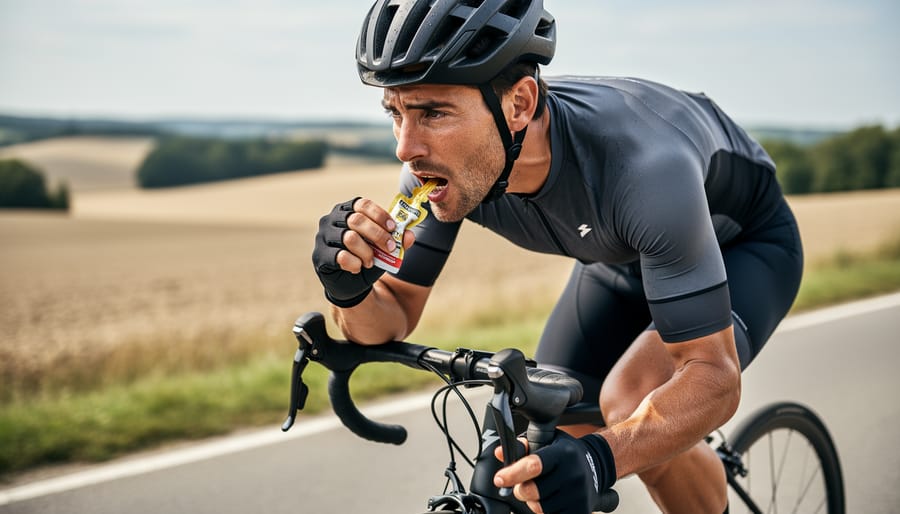
When your legs are grinding through hour three of a trail run or you’re climbing switchbacks on day two of a backpacking trip, your body’s running on a specific fuel mix, and sometimes it needs a boost. Energy and fuel supplements are among the most well-researched tools in the endurance world, with solid evidence backing their use when timing and dosage align with your activity.
Carbohydrate supplements, gels, chews, drink mixes, exist because your muscles store only about 90 minutes worth of glycogen at moderate intensity. Once that’s depleted, performance tanks hard. For activities longer than this threshold, consuming 30 to 60 grams of carbs per hour maintains blood glucose and delays bonking. Multi-source blends (glucose plus fructose) can push absorption rates higher without gut distress, which matters when you’re miles from a trailhead. Practice your fueling strategy during training, not on race day or the first morning of a week-long trek.
Caffeine stands out as one of the rare supplements with decades of consistent research. Studies confirm that caffeine improves endurance by reducing perceived effort and enhancing fat oxidation. Dosing matters: 3 to 6 milligrams per kilogram of body weight, taken 30 to 60 minutes before activity, delivers the benefit. That’s roughly 200 to 400 milligrams for most adults, a strong cup of coffee or a gel with added caffeine. More doesn’t mean better; high doses just bring jitters and stomach issues when you’re already working hard.
Beta-alanine is less immediate but valuable for repeated high-intensity efforts within longer outings, think steep climbs on a bike tour or surging up technical trail sections. It buffers lactic acid buildup in muscles, extending your ability to sustain harder efforts. Unlike carbs or caffeine, beta-alanine requires daily loading (4 to 6 grams split across the day) for two to four weeks before you notice the effect. It won’t rescue a bonk, but it raises your ceiling when you’ve been supplementing consistently.
Key supplements and their practical targets:
- Carbohydrate blends: 30 to 60 grams per hour during activity for sustained glucose availability
- Caffeine: 3 to 6 milligrams per kilogram body weight, taken 30 to 60 minutes before or during effort
- Beta-alanine: 4 to 6 grams daily over weeks to buffer lactate and extend high-intensity capacity
The real skill is matching supplements to your specific demands. A three-hour trail run needs carbs and maybe caffeine; a multi-day backpacking trip might layer in all three if you’re covering big miles daily. Test everything beforehand, keep packaging minimal (transfer gels to reusable flasks if you can), and remember that no supplement fixes poor pacing or inadequate base nutrition.
Hydration and Electrolyte Supplements
When you sweat during extended outdoor efforts, you lose electrolytes, primarily sodium, but also potassium, magnesium, and chloride. After about 60-90 minutes of moderate to hard exertion, drinking only water creates a mismatch: you’re diluting your blood’s sodium concentration without replacing what’s streaming out through your skin. This triggers earlier fatigue, cramping, nausea, and in extreme cases, hyponatremia (dangerously low blood sodium).
Sodium is the critical electrolyte for endurance athletes. It maintains fluid balance, supports nerve signals to muscles, and drives the absorption of water and carbohydrates in your gut. Most athletes need 300-700 mg of sodium per hour during sustained activity, more in heat or if you’re a heavy sweater (white salt crusts on your gear are a telltale sign). Potassium and magnesium play supporting roles in muscle contraction and reducing cramps, though deficiencies are less common during single-day activities.
For backpackers and trail runners in remote settings, electrolyte tablets, powders, or pre-mixed drinks offer practical solutions. Tablets dissolve easily in water bottles or hydration reservoirs. Aim for formulations providing at least 200-300 mg sodium per serving, not just trace amounts with added vitamins for marketing appeal. In hot, humid conditions or at altitude where respiration increases fluid loss, bump your intake toward the higher end of that hourly range.
Test your electrolyte strategy during training, not on expedition day. Some formulations cause GI distress in certain people. Pay attention to thirst cues, urine color (pale yellow is ideal), and how your body feels. Salty snacks like pretzels or salted nuts can supplement drink mixes on longer treks, giving you flexibility without carrying excessive single-use packets.
Recovery and Adaptation Supplements
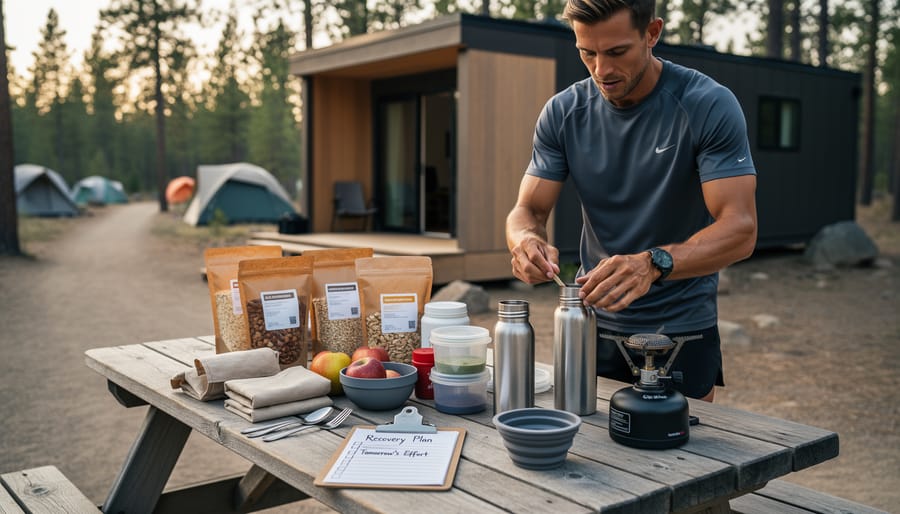
Recovery supplements become critical when you’re stacking long days back-to-back, whether that’s a week-long bike tour, consecutive marathon training blocks, or a thru-hike where you’re logging 15+ miles daily with a loaded pack. Unlike single-effort events, extended adventures demand that you recover while continuing to perform.
Protein remains the foundation. During multi-day efforts, your body breaks down muscle tissue faster than usual. Research consistently shows that 20-30 grams of protein within two hours post-activity optimizes muscle repair. For backpackers and touring cyclists, this means prioritizing protein-rich meals at camp or carrying convenient options like whey powder, collagen peptides, or plant-based alternatives. The leucine content, highest in whey and other animal proteins, triggers the muscle synthesis process most effectively.
Omega-3 fatty acids from fish oil or algae supplements help manage the chronic low-grade inflammation that accumulates during training blocks. Studies suggest 2-4 grams daily can reduce muscle soreness and improve joint health, though benefits appear gradually over weeks rather than immediately. For extended expeditions where fresh fish isn’t available, a quality omega-3 supplement provides anti-inflammatory support your joints will appreciate on day five of a trek.
Tart cherry extract has gained attention for reducing exercise-induced muscle damage and inflammation. The anthocyanins, plant compounds giving cherries their color, act as natural anti-inflammatories. Doses around 480mg (equivalent to roughly two cups of juice) taken before and after hard efforts may decrease recovery time, though individual responses vary considerably.
Probiotics support immune function during heavy training, when respiratory infections often strike. Multi-strain formulas containing Lactobacillus and Bifidobacterium species show the most promise. For adventure athletes, maintaining gut health also means better nutrient absorption and fewer digestive issues on trail.
None of these supplements work miracles, think of them as insurance policies that might shave 10-20% off recovery time when everything else (sleep, calories, hydration) is already dialed in.
Performance Enhancement Supplements

Nitrate-rich beetroot juice has emerged as one of the few performance supplements with consistent evidence for endurance athletes. The nitrates convert to nitric oxide in your body, which improves blood flow and makes your muscles more efficient at using oxygen. Studies show a 1-3% performance improvement in events lasting 4-30 minutes, modest but meaningful when you’re pushing hard on a steep climb or closing out a long ride. Drink 500ml of beetroot juice 2-3 hours before activity for peak effect. The downside? It works best for recreational and moderate-level athletes; elites often see minimal gains because their cardiovascular systems are already highly efficient.
Creatine rarely makes endurance supplement lists, and rightfully so for pure distance work. It primarily boosts short, explosive efforts by regenerating ATP quickly. However, if you’re a hybrid athlete, say, mixing trail running with strength training or tackling technical scrambles that demand repeated bursts of power, creatine can help those intense moments without hindering your aerobic capacity. Standard dosing is 3-5g daily; loading phases aren’t necessary.
Iron supplementation deserves attention only if you’re actually deficient. Female endurance athletes, high-altitude adventurers, and vegetarians face higher risk. Low iron tanks your oxygen-carrying capacity and leaves you perpetually fatigued, no matter how fit you are. But supplementing when you don’t need it causes gastrointestinal distress and potentially toxic buildup. Get bloodwork done, specifically ferritin levels, before adding iron. If you’re low, work with a healthcare provider on dosage; if you’re fine, focus on iron-rich foods like lean meat, lentils, and dark leafy greens instead.
How Endurance Athletes Use Supplements Effectively
Smart supplement timing matters more than the products themselves. Take carbohydrate gels 15 minutes before a long run or ride to top off glycogen stores, then consume 30-60 grams of carbs per hour during activities lasting beyond 90 minutes. For caffeine, aim for 3-6 mg per kilogram of body weight about an hour before hard efforts. During multi-day backpacking trips, split this timing across the day rather than loading everything at dawn.
Test every supplement during training, never on race day or the start of a big expedition. Your gut adapts to specific formulations, and what works for your training partner might wreck your stomach on mile 15. Run a four-week trial with each new product, noting energy levels, digestive comfort, and performance markers. Keep a simple log in your phone or journal.
Stack supplements strategically without overdoing it. A typical endurance athlete might use caffeine and carbs before activity, electrolytes during, then protein and omega-3s after. Don’t pile on five different pre-workout products or chase every trendy powder. More supplements create more variables when troubleshooting what works.
Adjust your approach based on effort duration and intensity. A 60-minute tempo run needs water and maybe electrolytes. A four-hour gravel ride demands carbs, electrolytes, and potentially a mid-ride caffeine boost. Multi-day treks require attention to recovery meal prep and consistent electrolyte intake, especially when cooking hot meals on trail that might not cover all micronutrient needs.
Minimize packaging waste by choosing concentrated electrolyte tablets over single-use plastic bottles, refilling gel flasks instead of buying disposable packets, and carrying reusable containers for protein powder. Many outdoor athletes now prep their own energy drink mixes in small bottles, cutting both cost and trash.
Recovery supplements work best when paired with actual recovery practices. Protein powder means little without adequate sleep and recovery time. Omega-3s support inflammation reduction, but they compound with good sleep hygiene and appropriate training load. If you’re taking supplements but skimp on rest, you’re patching one hole while ignoring another. Quality gear like a proper sleeping bag can contribute to better post-ride sleep making your recovery supplements more effective.
What the Research Really Says
The supplement industry generates billions annually, but peer-reviewed research on endurance performance tells a far more modest story. While the evidence consistently supports a handful of interventions, carbohydrate intake during exercise, caffeine, electrolyte replacement, and beetroot juice for nitrate content, most products on store shelves have minimal or no proven benefit for healthy, well-fed endurance athletes.
Take BCAAs as a prime example. Despite aggressive marketing suggesting they prevent muscle breakdown during long runs or rides, multiple systematic reviews have found that BCAA supplementation offers no advantage over consuming adequate dietary protein. If you’re eating enough complete protein throughout the day, adding isolated BCAAs won’t improve recovery or reduce muscle damage after your weekend trail adventures. Similarly, glutamine supplementation has been thoroughly studied in endurance contexts and consistently fails to show performance or recovery benefits for non-immune-compromised athletes.
The research gap between marketing claims and actual outcomes is substantial. Products often cite isolated studies while ignoring larger bodies of contradictory evidence, or they extrapolate findings from clinical populations to healthy athletes without justification. A 2024 meta-analysis examining sports supplement marketing found that fewer than 30 percent of advertised benefits had robust scientific support.
Do I need supplements if I eat a balanced diet?
For most athletes eating varied, nutrient-dense meals, supplements beyond mid-activity fuel and electrolytes are optional. Real food provides the foundation; supplements fill specific gaps or convenience needs during prolonged exertion.
Can supplements replace proper training?
No supplement compensates for inadequate training, sleep, or nutrition. They enhance what’s already in place but won’t transform fitness or endurance on their own.
How do I know if a supplement is safe and effective?
Look for third-party testing certification, check peer-reviewed research rather than marketing materials, and consult a registered sports dietitian who can evaluate your individual needs and health status.
The strongest approach combines skepticism with openness. Prioritize the well-established options backed by decades of research, test new supplements carefully during training rather than on race day, and remember that individual responses vary. A sports dietitian can help interpret current evidence in the context of your specific training load, dietary patterns, and outdoor pursuits, steering you toward interventions that actually match your needs rather than just the latest trend.
Supplements can give you an edge, but they will never replace the fundamentals. Real food, consistent training, adequate sleep, and solid outdoor skills form the foundation of endurance performance. Everything else is refinement.
What works brilliantly for your training partner might do nothing for you. Individual response varies based on genetics, diet, training load, and even gut microbiome composition. Start with one supplement at a time, test it during training rather than on race day or in the backcountry, and honestly assess whether it makes a measurable difference. Keep a training log that tracks both supplements and performance metrics.
Your body responds best to nutrients from whole foods. A balanced diet rich in fruits, vegetables, whole grains, and quality proteins delivers thousands of beneficial compounds that no pill can replicate. Supplements fill specific gaps and support particular demands of prolonged exercise, but they cannot compensate for consistently poor nutrition.
When you do use supplements, choose minimal packaging, refillable containers, and companies with transparent sourcing practices. The trails and wild places we love deserve that consideration.
Remember why you started running those trails, pedaling those mountain passes, or hiking those ridges in the first place. It was not to optimize your VO2 max or perfect your fueling protocol. The mountains, forests, and open roads offer something no supplement ever will: freedom, connection, and the simple joy of moving through beautiful places under your own power. Let science support your adventures, not define them.