
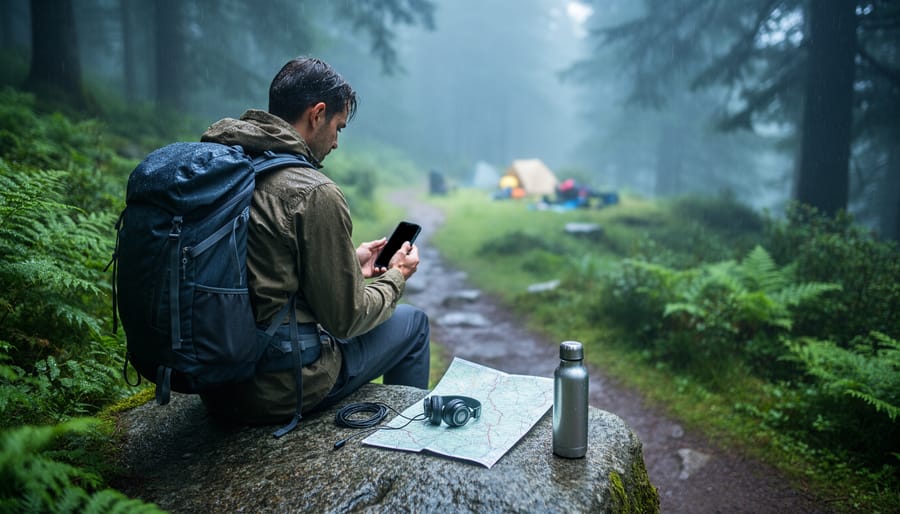
Conservation-minded outdoor enthusiasts can reconcile digital recreation with environmental values by applying the same intentional, low-impact principles to online casino play that guide backcountry decisions. When you claim the crypto casino bonus you’re choosing one form of downtime entertainment among many, and the same ethical framework that shapes where you hike, how you camp, and which gear you buy should inform this choice too.
The connection isn’t as strange as it first appears. People who care deeply about conservation already practice boundary-setting in the outdoors. You know not to exceed your physical limits on a summit attempt, just as you wouldn’t overstay on fragile alpine tundra. You plan trips around sustainable seasons and locations. Digital recreation deserves the same thoughtful approach, particularly when it involves real money and carries the same risks of excess that any high-stimulus activity does.
In 2026, outdoor communities increasingly discuss the full scope of sustainable living, recognizing that conservation values extend beyond trail ethics into every leisure choice. Online casino play occupies an unusual space in this conversation because it offers convenience during weather delays, injury recovery, or simple downtime between adventures, yet it can quickly undermine the financial resources and mental clarity needed for the outdoor pursuits that matter most.
This isn’t about moralizing or promoting gambling. It’s about honest assessment. If digital entertainment helps you decompress after a hard climb or fills a rainy evening at camp, it can serve a purpose. But without clear boundaries, time limits, and careful platform selection, it drains the budget earmarked for that backcountry permit or diverts attention from conservation work that needs your energy. The goal is ensuring any form of recreation, digital or physical, supports rather than sabotages your larger outdoor and environmental commitments.
The Unexpected Connection: Digital Recreation and Outdoor Conservation
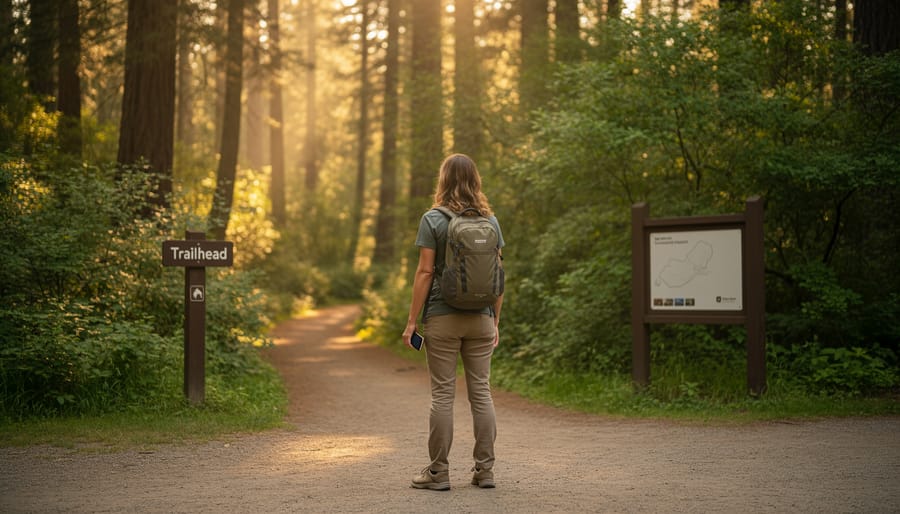
Most outdoor enthusiasts understand the need for rest days. After a demanding multi-pitch climb or a week-long backpacking trek, your body needs recovery time. During these intervals, waiting out a storm in base camp, resting between expeditions, or simply unwinding after work before the next weekend adventure, many of us turn to various forms of digital entertainment. Online casino play sits in this category alongside streaming services, gaming, or social media scrolling.
The connection isn’t obvious at first. What does placing a bet have to do with protecting watersheds or maintaining trail systems? But here’s the thing: the mindset that makes someone an effective conservationist, intentionality, discipline, awareness of limits, understanding cause and effect, applies equally well to any recreational activity. When you approach digital recreation with the same thoughtfulness you bring to backcountry travel, it becomes just another tool in your downtime toolkit rather than a distraction from what matters.
Consider how you already practice responsible recreation outdoors. You pack out what you pack in. You stay on designated trails to prevent erosion. You time your visits to minimize wildlife disturbance. You know your physical limits and turn back when conditions exceed them. These same principles, leaving things better than you found them, respecting boundaries, recognizing when to stop, translate directly to digital activities.
The crucial element is balance. A climber who spends an evening playing online poker after a day on the rock isn’t abandoning conservation values any more than someone who watches a film or reads a novel. The question becomes whether that activity complements outdoor pursuits or competes with them. Does it drain the adventure fund or exist within a separate entertainment budget? Does it consume prime hiking hours or fill genuine downtime? Does it leave you refreshed for tomorrow’s trail work, or exhausted and distracted?
Digital recreation can even support conservation goals when approached deliberately. Some outdoor enthusiasts allocate a portion of any winnings to conservation nonprofits or gear that extends their time outdoors. Others use structured digital downtime as motivation, a reward after completing a volunteer restoration project or achieving a fitness goal that expands their backcountry capabilities.
The philosophy isn’t about eliminating digital recreation. It’s about ensuring every activity, whether on a screen or a summit, aligns with your core values and moves you closer to the life you want to live.
Setting Boundaries That Protect What Matters Most

Time Allocation: Protecting Your Trailhead Hours
The real metric isn’t how many hours you spend online, it’s whether you’re missing the moments that matter. If you’re scrolling through casino games during a bluebird day or choosing another round over catching golden hour light on the trail, your digital recreation has crossed a line.
Start by identifying your non-negotiable outdoor windows. For most of us, that’s weekend mornings, the two hours before sunset, and those precious vacation days we’ve saved all year. Treat these like sacred calendar blocks. Online entertainment fills the gaps, rainy Tuesday evenings, long winter nights, the genuine downtime after you’ve already logged your miles.
A simple filter: ask yourself whether the conditions outside right now will be better tomorrow. If the answer is no or maybe, close the laptop and head out. Peak seasons are short, wildflower blooms last weeks, not months. Weather windows close. Migration patterns don’t wait.
Some outdoor enthusiasts set a rule: no screens until after their daily movement goal is met, whether that’s a trail run, bike commute, or evening paddle. Others block online recreation entirely during their region’s prime adventure months. The specific system matters less than the principle, digital downtime serves your outdoor life, never competes with it.
Financial Guardrails for Adventure Funding
The clearest way to keep online casino play from siphoning off your adventure budget is to decide what comes first, and fund it first. Before you deposit any money into a gaming account, calculate your monthly gear maintenance costs, next season’s park pass fees, planned trip expenses, and your standing conservation donations. Set those funds aside immediately, treating them as non-negotiable. Only after your adventure essentials are secured should you allocate a small, fixed amount for digital recreation.
Think of it as the financial equivalent of packing your essentials before adding luxuries to your backpack. If $50 this month means new boot insoles or an evening of online play, the boots win every time. Many outdoor enthusiasts use a separate prepaid card loaded with a strict monthly recreation budget, once it’s empty, that’s it until next month. This physical separation prevents the all-too-common drift where “just one more session” starts competing with your spring climbing gear fund or that volunteer trail crew donation you planned to make. When platforms make green claims evidence rules about environmental initiatives, verify them before factoring corporate responsibility into your platform choice, but never let those claims justify loosening your spending guardrails.
Choosing Platforms That Align with Conservation Values
When you do engage with online platforms during off-trail hours, your choice of where to play can reflect the same values you bring to the backcountry. Not all gaming sites are created equal, and a few minutes of research can align your digital downtime with your conservation commitment.
Start by investigating a platform’s environmental policies before creating an account. Look for companies that publish annual sustainability reports, carbon footprint assessments, or have achieved third-party environmental certifications. A handful of operators now participate in verified carbon offset programs that invest in reforestation, renewable energy projects, or habitat restoration, tangible actions that directly support the landscapes you love exploring.
Corporate giving programs matter too. Some platforms partner with conservation nonprofits, donate a percentage of profits to environmental causes, or sponsor park cleanup initiatives and trail maintenance projects. These partnerships demonstrate that a company sees beyond quarterly earnings to the communities and ecosystems that need support. Check their website for transparency about where charitable contributions actually go, vague “green commitments” without specifics often signal greenwashing rather than genuine action.
Payment processing also carries environmental weight. Platforms using energy-efficient server infrastructure or blockchain systems with lower carbon footprints reduce the environmental toll of digital transactions. It might seem minor, but when you multiply those small choices across thousands of users, the cumulative impact becomes significant.
Consider how the platform’s values could fund camping smart choices in your own life. If a site actively supports Leave No Trace principles or sponsors outdoor education programs, your recreation time there indirectly strengthens the conservation infrastructure that benefits everyone who ventures outside.
The reality is most online casinos have yet to embrace robust environmental programs. That makes it even more important to reward the few taking meaningful steps, sending market signals that outdoor enthusiasts value corporate responsibility as much as entertainment value.
Turning Digital Wins into Conservation Wins

When digital recreation generates unexpected returns, outdoor enthusiasts have a rare opportunity to transform screen-time gains into tangible conservation impact. Rather than viewing casino winnings as disposable income or letting them disappear back into the platform, treating them as purpose-driven funds creates meaningful support for the wild spaces we cherish.
The most direct approach is establishing a pre-commitment allocation plan before you ever log in. Decide in advance what percentage of any winnings goes where, removing emotion and impulse from the equation. Some outdoor community members follow a simple rule: half to conservation causes, half to adventure funding. Others prefer a more nuanced distribution that reflects their current priorities.
| Strategy | Conservation Donation | Gear Investment | Adventure Fund |
|---|---|---|---|
| Conservation First | 50% | 25% | 25% |
| Balanced Approach | 33% | 33% | 34% |
| Gear Renewal Focus | 25% | 50% | 25% |
These allocation models ensure every digital win serves your outdoor values rather than financing more screen time.
Direct conservation contributions carry the most immediate impact. Organizations like the National Forest Foundation, local land trusts, and trail conservancies turn donations directly into habitat restoration, invasive species removal, and public access protection. Setting up recurring monthly donations from a designated winnings account creates sustained support that conservation groups can plan around.
Gear investments matter too, especially when current equipment limits your access to certain environments or promotes unsustainable practices. Using winnings to upgrade hiking shoes replace a fuel-inefficient camp stove with a modern canister system, or purchase quality rain gear extends your season and reduces your environmental footprint.
Education funding transforms winnings into long-term behavioral change. Leave No Trace courses, wilderness first aid certification, naturalist training programs, and avalanche safety classes all deepen your connection to wild places while improving your stewardship practices. These investments compound over time as you share knowledge within your outdoor community.
Adventure funds that prioritize conservation-focused trips create experiences with purpose. Allocating winnings toward a volunteer trail crew expedition, a wildlife monitoring backpacking trip, or visiting threatened ecosystems you can advocate for protection turns recreation into activism.
Recognizing When Digital Recreation Becomes a Distraction

The clearest indicator that digital recreation has crossed a line is when you start choosing screen time over scheduled outdoor activities. If you’ve postponed a planned trail maintenance day, skipped a local conservation group meeting, or delayed gear preparation for an upcoming trip because you were engaged in online casino play, you’ve identified a priority shift that deserves immediate attention.
Watch for changes in your engagement patterns with the outdoor community. Missing trail work days you’d normally attend, declining invitations to join group hikes, or reducing participation in conservation forums often signals that digital activities are consuming mental energy and time you’d previously dedicated to environmental stewardship. When you find yourself thinking about online games during a backcountry trip or checking your phone for casino updates while on the trail, the boundary between digital downtime and outdoor presence has blurred.
Financial indicators matter too. If you’re delaying necessary gear replacements, skipping annual park pass renewals, or reducing conservation donations to maintain an online casino budget, your digital recreation has begun undermining the outdoor lifestyle it was meant to complement. Similarly, decreased investment in skill development, postponing that wilderness first aid course, canceling your Leave No Trace trainer certification, or abandoning plans to learn new outdoor skills, reveals where your resources are actually flowing.
Course-correcting starts with honest documentation. Track your screen time for a week alongside your outdoor hours and conservation contributions. The numbers rarely lie. Set hard reset triggers: if online play exceeds five hours weekly, if it occurs during daylight hours on weekends, or if adventure fund withdrawals happen to cover digital losses, institute an immediate two-week digital recreation pause. Use that time to reconnect with why you value wild places and how you want to spend your limited recreational hours.
Building a Balanced Recreation Philosophy
A sustainable outdoor lifestyle isn’t about perfection, it’s about intentional choices that reflect your deepest values. Think of all your recreational pursuits, from summit pushes to evening downtime, as pieces of a larger whole. The question isn’t whether any single activity is “pure” enough, but whether your overall pattern of living genuinely serves the wild places you love.
Start by mapping your actual time and energy across a typical month. How many hours go toward trail days, volunteer restoration projects, learning new wilderness skills, and yes, digital relaxation? There’s no magic ratio, but the exercise reveals whether your stated priorities match your lived reality. If conservation matters most to you, that should show up in how you spend your weekends and where your money flows.
Intentionality transforms everything. Scrolling through an online casino for three hours because you’re avoiding gear maintenance isn’t the same as choosing thirty minutes of screen entertainment after you’ve already researched permits, plan local trails and organized your pack. The activity is identical; the context makes all the difference. One drains your conservation commitment, the other complements it.
Create personal guidelines that feel authentic. Maybe you only engage digital recreation after contributing to a conservation cause that week. Maybe winnings automatically fund your next park pass. Perhaps you limit screen time to weather days when conditions make outdoor pursuits genuinely unsafe. These aren’t rules imposed from outside, they’re frameworks you design to keep yourself aligned with what matters.
Regular check-ins matter. Every season, honestly assess whether your recreation mix still serves your relationship with wild places. Life changes, and so should your approach.
Common Questions About Digital Downtime and Conservation Commitment
Is it hypocritical to play online casinos while advocating for conservation?
Not if you approach it with the same intentionality you bring to every choice. Many outdoor enthusiasts enjoy various forms of recreation during downtime without contradiction. The key is ensuring digital activities support rather than undermine your environmental priorities through responsible boundaries and value-aligned choices.
How much time on online recreation is too much for someone committed to conservation?
If it’s cutting into your outdoor adventure time, volunteer commitments, or trip planning, you’ve crossed the line. A useful benchmark: digital recreation should never exceed your weekly outdoor hours, and it should feel like genuine relaxation rather than compulsion.
Can I justify online casino play during multi-day expeditions?
On rest days or weather delays, limited screen time can be fine if you have connectivity through a solar panel tent or similar setup. Just keep it brief and ensure it doesn’t dominate camp time that could be spent on gear maintenance, route planning, or connecting with your crew and surroundings.
What if online recreation is easier than getting outside?
That’s your signal to reassess. When digital entertainment consistently wins over trail time, examine what barriers exist and address them directly, whether that’s gear needs, scheduling challenges, or energy management. Your core values should drive your time allocation, not convenience.
These questions reflect real tensions outdoor enthusiasts face in an increasingly connected world. The answers aren’t about achieving perfection but maintaining alignment between your stated values and actual behavior. Regular check-ins with yourself about how you’re spending downtime keep you honest and ensure your digital recreation remains what it should be: a minor supplement to a life primarily lived outdoors, in service of the wild places you’re committed to protecting.