
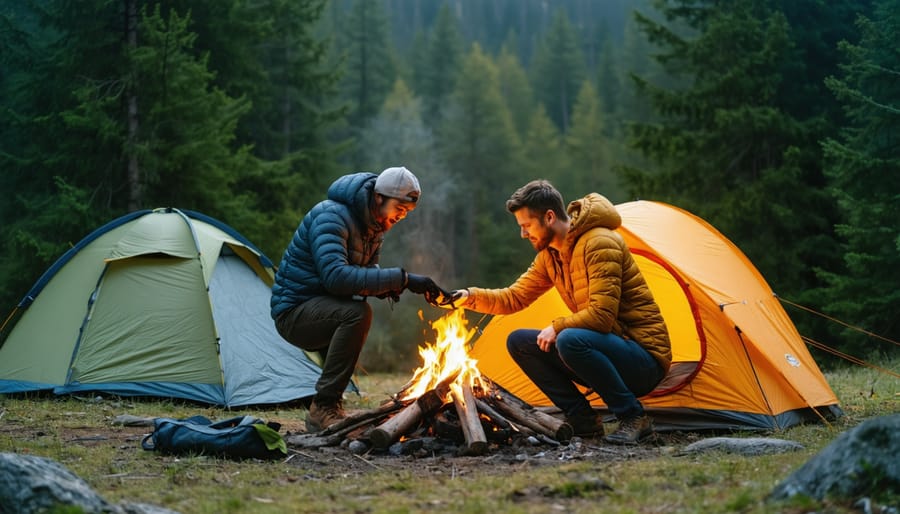
Tap into your existing gear-sharing networks before spending a dime—borrowing equipment from friends or joining local outdoor groups can eliminate 60-80% of trip costs while building community connections. Check your credit union for small personal loans with single-digit interest rates rather than weekend payday loans that trap borrowers in 400% APR cycles. Start a dedicated camping fund by automatically transferring just $20 weekly; within three months, you’ll have $240 for a quality weekend adventure without debt.
Consider immediate free alternatives like dispersed camping on Bureau of Land Management or National Forest lands, which costs nothing compared to commercial campgrounds. Organize gear swap meetups in your community where enthusiasts trade unused equipment, transforming last season’s impulse purchases into this weekend’s essentials. Apply for outdoor retailer credit cards only if you can pay the full balance immediately—their interest rates hover around 25-30%, still predatory but less devastating than payday options.
The outdoor adventure you’re craving shouldn’t saddle you with months of financial stress. Strategic planning, community resources, and understanding your true financing options transform weekend camping from an expensive luxury into an accessible, sustainable practice that enriches rather than drains your life.
Why Weekend Camping Trips Catch Us Financially Unprepared
There’s something magical about those perfect weekend weather forecasts that appear mid-week—crystal-clear skies, mild temperatures, and that irresistible pull toward the wilderness. Your friend group’s text chain lights up with excitement, everyone’s suddenly available, and before you know it, you’re committed to a camping trip that’s just three days away.
This is where the disconnect between intention and reality often catches us off guard. We know camping is one of the most affordable ways to experience nature, especially compared to hotels or resorts. But those “small” costs add up faster than expected when you’re starting from scratch or replacing worn gear. A national park permit here, propane canisters there, fresh hiking boots because your old ones finally gave out—suddenly you’re looking at $200-400 before you’ve even bought groceries.
The spontaneity that makes weekend trips so appealing also works against our financial planning. Unlike that summer camping expedition you’ve been saving for since January, these impromptu adventures don’t fit neatly into monthly budgets. Your paycheck might be stretched thin from existing commitments, and tapping into emergency funds for a recreational trip feels questionable, even if the mental health benefits are genuine.
Seasonal opportunities amplify this pressure. That perfect fall foliage window lasts just two weeks. Your favorite dispersed camping spot becomes inaccessible once snow arrives. When nature’s calendar doesn’t align with your bank account, the temptation to find *any* financial solution becomes overwhelming—even options that might cost you far more than the trip itself in the long run. Understanding this psychological trap is the first step toward finding sustainable solutions that keep adventure accessible without compromising your financial wellbeing.
Smart Pre-Trip Budgeting: Your Best Defense
The Adventure Fund Method
Picture this: every time you grab your morning coffee, a few dollars quietly slip into your future adventures. The Adventure Fund Method transforms spontaneous weekend getaways from financial stressors into exciting possibilities you’ve already prepared for.
Here’s how it works: set up an automatic weekly transfer of $15-25 from your main account into a dedicated “Adventure Fund” savings account. That’s roughly the cost of one meal out, but over time, it builds real camping capital. In just three months, you’ll have $180-300 ready for gear upgrades, campground fees, or that kayak rental you’ve been eyeing.
The beauty lies in automation—you won’t miss what you don’t manually transfer. Many banking apps let you nickname accounts, so seeing “Mountain Adventures” or “Trail Fund” pop up becomes a weekly reminder of the experiences waiting for you.
Start small if needed. Even $10 weekly creates a $520 annual camping budget without touching your regular income. When Friday afternoon inspiration strikes and friends suggest a spontaneous trip to the woods, you’ll smile knowing your Adventure Fund has you covered—no last-minute financial scrambling required.
Gear Investment Spreading
Building your camping kit piece by piece transforms what seems like an overwhelming expense into manageable investments that serve you for years. Instead of borrowing money for gear rentals or rushing to buy everything at once, consider this season-by-season approach that countless outdoor enthusiasts in our community have successfully embraced.
Start with the essentials: a backpacking tent buying guide can help you choose one shelter that’ll last a decade or more. Next trip, invest in a quality sleeping bag. The following month, add a reliable camp stove. This gradual approach means each camping adventure costs less than the last, and within a year, you’ll own a complete setup without ever feeling the financial strain.
The beauty of spreading gear investments is that you’ll make more informed decisions. After using borrowed equipment, you’ll know exactly what features matter to you. Plus, watching for seasonal sales and supporting gear swaps within the outdoor community can cut costs significantly while building connections with fellow adventurers who share your passion for sustainable, accessible outdoor experiences.
Understanding Weekend Payday Loans: What They Really Mean
The True Cost Beyond the Advertised Rate
When that camping gear catches your eye and a lender advertises “just $15 per $100 borrowed,” it sounds manageable—until you understand what that really means for your wallet. Let’s break this down in a way that matters to your next adventure fund.
That $15 fee translates to an Annual Percentage Rate (APR) of nearly 400% on a typical two-week payday loan. Here’s the real-world impact: borrow $300 for camping gear, and you’ll owe $345 in just fourteen days. Miss that payment deadline, and many lenders stack on additional fees—suddenly your weekend trip financing becomes a months-long burden that could’ve funded an entire season of adventures.
Compare this to a personal loan at 10-15% APR, where that same $300 might cost you $308 total over six months of manageable payments. The difference? One option gets you outdoors sustainably; the other potentially keeps you stuck indoors, stressed about mounting debt instead of planning your next trail exploration. Understanding these numbers isn’t about math—it’s about protecting your freedom to keep adventuring without financial regret shadowing your campfire stories.
When (If Ever) They Make Sense
Here’s the honest truth: there are very few scenarios where borrowing money for a weekend camping trip truly makes sense. But life isn’t always black and white, and sometimes circumstances create genuine dilemmas.
If you’re facing a rare situation—perhaps a once-in-a-lifetime opportunity to join experienced friends on a trail you’ve dreamed about, or a family reunion camping trip that happens only every few years—short-term borrowing *might* be considered. The critical caveat? You must have a concrete, realistic repayment plan already in place before you borrow a single dollar.
Ask yourself these essential questions: Can I repay this within two weeks without sacrificing rent, food, or other necessities? Do I have income arriving that’s already earmarked for this debt? Will this trip genuinely provide irreplaceable value that justifies the financial stress?
If you can’t answer “yes” to all three, it’s time to pause and explore alternatives. Remember, the wilderness will always be there, and your financial wellbeing enables countless future adventures. The most sustainable approach to outdoor recreation includes sustainable finances—they’re interconnected aspects of a life well-lived.
Better Alternatives to High-Interest Borrowing
Community Gear Libraries and Sharing Networks
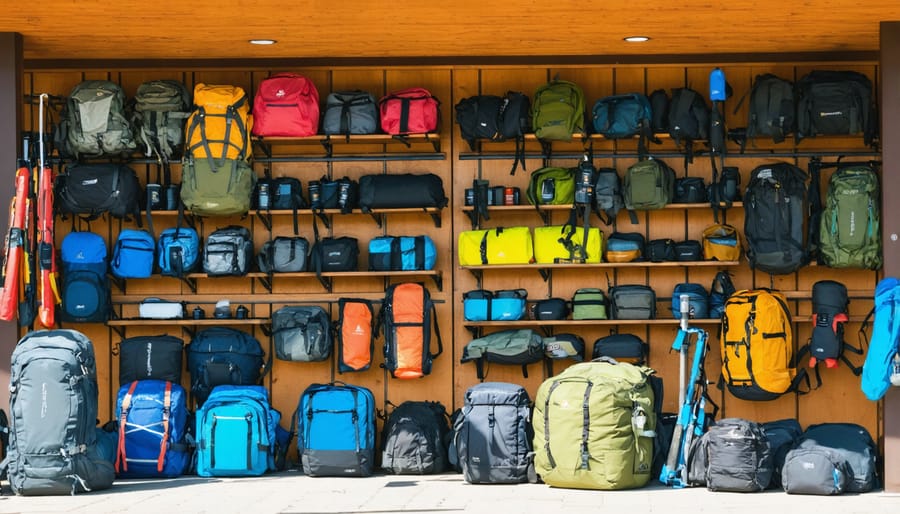
Outdoor gear libraries are transforming how adventurers access equipment while building vibrant, connected communities. These sharing networks, popping up in cities nationwide, allow members to borrow everything from tents to a backpacking stove for minimal annual fees—often less than the cost of purchasing a single item.
By participating in gear libraries, you’re not just saving money; you’re joining a movement that prioritizes sustainability over consumption. These cooperatives reduce manufacturing demand and keep equipment in circulation longer, dramatically lowering the environmental footprint of outdoor recreation. Many libraries also host skills workshops, trail cleanups, and group trips, creating opportunities to learn from experienced campers while making friends who share your passion for adventure.
Check local outdoor retailers, environmental organizations, or REI chapters to find gear libraries near you. Some even operate entirely through social media groups where members freely loan equipment to neighbors, proving that community spirit remains alive and thriving in outdoor culture.
Credit Union and Community Bank Options
Local credit unions and community banks often feel like hidden gems in the financial landscape—and for good reason! These member-focused institutions typically offer personal loans with interest rates significantly lower than payday lenders, often ranging from 8-18% APR. Even better, many credit unions have created specialized “payday alternative loans” (PALs) specifically designed to help folks avoid predatory lending traps. These smaller loans come with reasonable terms and the opportunity to build positive credit history. The application process might take a day or two longer than instant payday loans, but the savings are substantial. Plus, you’re supporting community-based institutions that reinvest in local initiatives—including outdoor recreation programs and environmental projects. Many credit union staff genuinely want to help you succeed financially, offering personalized guidance that aligns with your adventure goals while protecting your long-term financial health.
The ‘Work-for-Access’ Model
Here’s something truly special: many campgrounds and conservation organizations welcome volunteers in exchange for free camping access. It’s a beautiful arrangement where everyone wins—you get your weekend adventure funded, and the land gets the care it deserves.
State and national parks frequently offer volunteer positions for weekend warriors. You might spend a few hours maintaining trails, staffing visitor centers, or assisting with wildlife surveys. In return, you’ll receive complimentary camping for your entire stay. Organizations like the Forest Service and Bureau of Land Management run active volunteer programs year-round.
Conservation work exchanges through platforms like Workaway or WWOOF connect you with environmental projects needing helping hands. Weekend commitments might include habitat restoration, campground maintenance, or educational program support.
The magic here goes beyond saving money—you’ll forge deeper connections with the landscape, meet like-minded adventurers, and contribute meaningfully to preserving the spaces you love. Many volunteers discover this approach transforms ordinary camping trips into purposeful experiences. Start by contacting your local land management agencies or searching volunteer databases specific to your destination. Most programs welcome beginners and provide necessary training.
Low-Cost and No-Cost Camping Solutions
Public Land Dispersed Camping
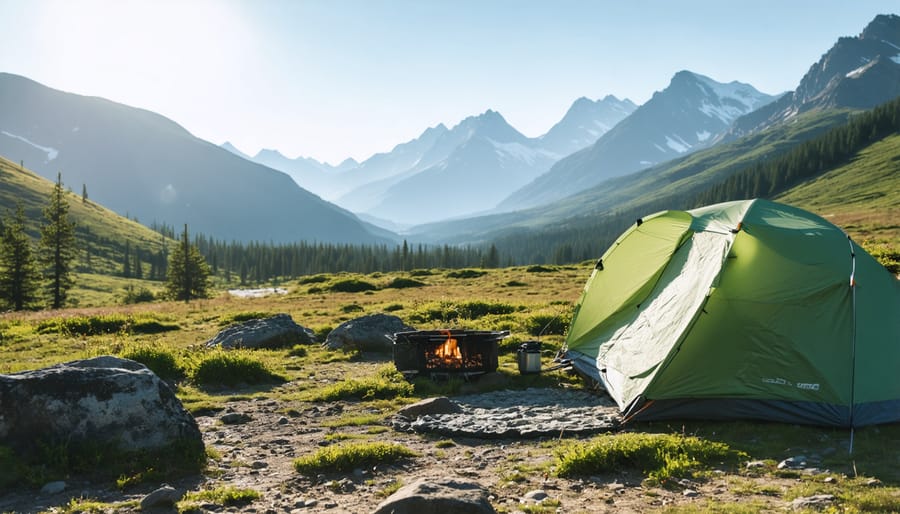
One of the best-kept secrets in budget camping is that millions of acres of public land are available for completely free dispersed camping. Bureau of Land Management (BLM) and National Forest lands across the United States welcome campers at zero cost, making your weekend adventure financially accessible right now.
Finding these spots is easier than you might think. The FreeRoam app and websites like FreeCampsites.net map out dispersed camping areas nationwide. You’ll typically need to camp at least 200 feet from water sources and follow Leave No Trace principles—practices that protect these incredible spaces for future adventurers.
While dispersed camping means no amenities like bathrooms or water hookups, it offers something priceless: solitude in stunning natural settings. You’ll wake up to unobstructed mountain views or desert sunrises without spending a dime on campsite fees.
This option eliminates accommodation costs entirely, letting you allocate your budget toward quality gear investments that’ll serve you for years. Many campers discover that these undeveloped sites become their preferred camping style, creating a sustainable adventure practice that’s both wallet-friendly and deeply rewarding. Check specific land management websites for seasonal restrictions and fire regulations before heading out.
Ultra-Local Micro-Adventures
You don’t need to travel hours away or break the bank to find adventure—sometimes the best experiences are hiding in your own backyard. Ultra-local micro-adventures are overnight camping trips within 30-50 miles of home, slashing transportation costs while delivering genuine wilderness connection.
Start by exploring state parks, county forests, or Bureau of Land Management lands near you. Many offer primitive campsites for $10-20 per night, and carpooling with friends cuts gas expenses dramatically. You’ll spend more time around the campfire and less time behind the wheel, reducing both your carbon footprint and fuel costs.
These close-to-home trips let you test gear without major commitment, making them perfect for building skills and confidence. Pack your existing appropriate hiking footwear, borrow what you don’t own, and focus on the experience rather than elaborate equipment.
The beauty of micro-adventures lies in their spontaneity—if Saturday’s forecast looks promising, you can go. No expensive planning, no time-off requests, just pure adventure. Plus, knowing help is relatively nearby eases anxiety for newer campers while still providing authentic outdoor immersion that rejuvenates your spirit without depleting your wallet.
Building Financial Resilience for Future Adventures
The most empowering discovery many outdoor enthusiasts make is this: sustainable adventure habits and sustainable financial habits grow from the same roots. When you commit to building a solid foundation for your camping adventures, you’re not just protecting your wallet—you’re deepening your connection to the natural spaces you love.
Start by creating a dedicated adventure fund, even if you can only contribute $20 per month. This simple act transforms camping from a financial scramble into an anticipated joy. Many adventurers automate transfers right after payday, making it painless and consistent. Within a year, you’ll have $240 ready for multiple weekend trips without touching your regular budget.
Consider embracing the gear-sharing economy that’s flourishing in outdoor communities. Joining or starting a local camping gear library reduces individual purchasing pressure while building meaningful connections with fellow adventurers. These communities often swap trip-planning wisdom alongside equipment, enriching your experiences beyond what money can buy.
The parallel between financial and environmental sustainability becomes clear when you adopt a “quality over quantity” mindset. Investing in durable, repairable gear—even if it means saving longer—reduces both financial strain and environmental impact over time. That well-made sleeping bag you save three months for will outlast five cheap alternatives.
Track your camping expenses for a few trips to understand your actual costs. Most people discover they spend less than imagined, making future planning easier and less intimidating. This awareness naturally leads to more intentional choices about where and how you adventure.
Remember, the goal isn’t perfection—it’s progress. Each small step toward financial preparedness means more freedom to answer when the wilderness calls, without the weight of debt shadowing your journey under the stars.
Here’s the truth that changes everything: camping doesn’t need financing—it needs a mindset shift. Instead of asking “how can I borrow money for this trip,” consider “how can I make outdoor adventures a natural part of my regular life?”
When we treat camping as an occasional extravagance requiring loans, we’ve already lost the essence of what makes it special. The outdoors belong to all of us, and accessing them shouldn’t mean entering cycles of debt. Start small with local spots, borrow or rent gear until you gradually build your collection, and connect with outdoor communities who share equipment and knowledge freely.
The most sustainable camping habit isn’t just about leaving no trace on the trail—it’s about creating a financial rhythm that lets you return again and again without strain. Pack your own meals, carpool with friends, choose free campsites, and watch how quickly nature becomes your most affordable escape rather than a luxury requiring loans.
Your next adventure is waiting, and it’s more accessible than you think. No interest rates required—just intention, creativity, and a commitment to making the outdoors a lasting part of your life.