
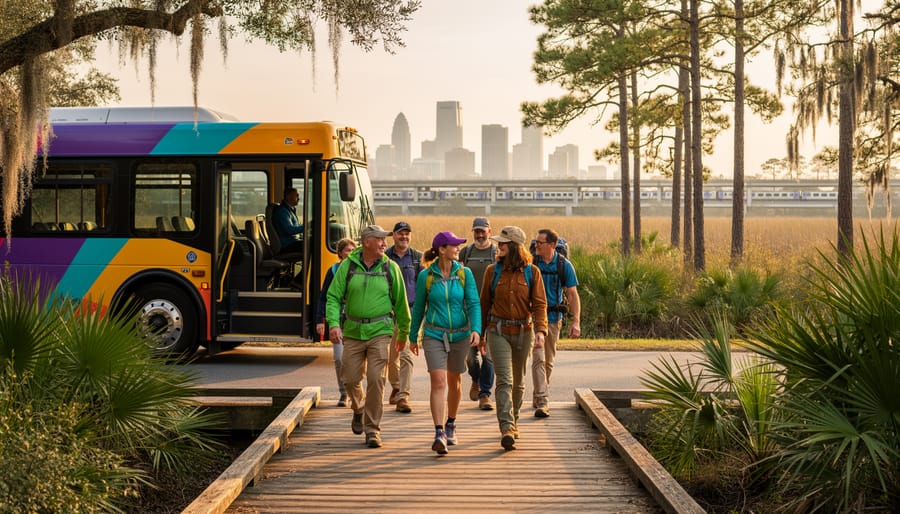
Explore Orlando’s natural beauty without depending on a personal vehicle by connecting with the Central Florida Regional Transportation Authority’s Lynx bus system, which provides direct routes to several trailheads throughout the metro area. Download the Lynx mobile app to plan your journey, focusing on routes 102, 111, and 125 that service outdoor recreation areas, and always check weekend schedules since some lines operate on reduced frequencies.
Coordinate your hiking adventures with ride-share services for those trail systems slightly beyond public transit reach, splitting costs with fellow hikers through outdoor meetup groups or social media communities dedicated to car-free exploration. Many Orlando-based adventure clubs organize group outings with shared transportation, creating opportunities to discover hidden gems while building connections with like-minded outdoor enthusiasts who prioritize sustainable travel.
Consider staying at accommodations near the SunRail commuter train stations, which connect downtown Orlando to suburban natural areas and conservation lands within walking distance of stops. This strategic approach transforms your entire trip into a car-free experience, reducing your carbon footprint while immersing yourself in Central Florida’s diverse ecosystems.
The reality is that Orlando’s reputation as a car-dependent city shouldn’t discourage your hiking ambitions. While the infrastructure may not rival Portland or Seattle’s transit systems, creative planning unlocks access to pristine wetlands, oak hammocks, and pine flatwoods without contributing to traffic congestion or parking lot sprawl. Whether you’re arriving via this shuttle service or you’re a local resident exploring alternatives to daily driving, car-free hiking represents both an environmental choice and an invitation to slow down and genuinely experience the landscapes you’re traversing.
This guide reveals specific trails accessible through public transportation, walking, and cycling, along with practical tips for navigating Orlando’s transit network as an outdoor adventurer.
Why Car-Free Day Trips Matter for Orlando’s Environment
Every time we drive to a trailhead, we’re adding to a carbon footprint that might seem small individually but creates massive collective impact. The average car trip to hiking destinations releases roughly one pound of carbon dioxide per mile traveled. When you consider that Orlando’s most popular trails see thousands of visitors annually, those emissions quickly add up to a significant environmental burden that directly contradicts the conservation values most hikers hold dear.
Choosing car-free transportation isn’t just about reducing emissions. It’s about embodying the Leave No Trace principles we practice on the trail in every aspect of our outdoor adventures. When we eliminate unnecessary vehicle trips, we’re taking that ethic beyond the trailhead and into our entire journey. This holistic approach to conservation means our impact begins the moment we leave home, not just when we lace up our boots.
The infrastructure required to support car-dependent hiking culture creates its own environmental challenges. Parking lot expansion destroys natural habitats, increases stormwater runoff, and fragments wildlife corridors. Florida’s already limited green spaces face constant pressure from development, and every expanded parking area means less room for the ecosystems we’re trying to enjoy and protect. By utilizing existing public transit networks and pedestrian pathways, we reduce demand for these destructive infrastructure projects.
There’s something deeply rewarding about arriving at a trail under your own power, whether by bus, bike, or on foot. This approach builds a more intimate connection with the landscape you’re about to explore. You’re not just visiting nature as an outsider who drove in and will drive out. You’re participating in a more complete outdoor experience that begins with conscious transportation choices.
For our local ecosystems already stressed by Central Florida’s rapid growth and climate challenges, every sustainable choice matters. Car-free hiking isn’t about sacrifice; it’s about aligning our actions with our values and demonstrating that protecting wild spaces requires commitment that extends beyond the trail itself.
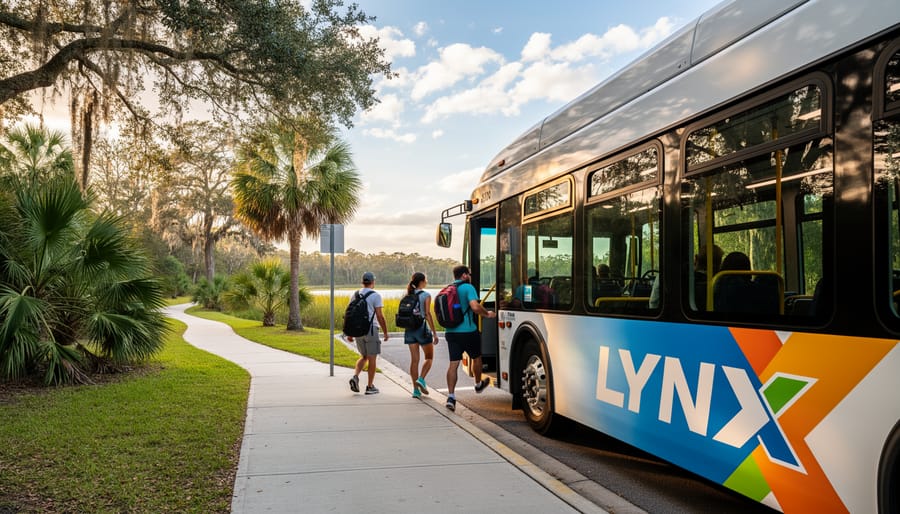
Getting Around: Orlando’s Car-Free Transportation Options
LYNX Bus Routes to Nature
Navigating LYNX’s bus system opens up surprisingly accessible trails throughout the Orlando area. Route 443 operates hourly between downtown Orlando and Wekiwa Springs State Park on weekends, making it your direct connection to one of Central Florida’s premiere hiking destinations. For Tibet-Butler Nature Preserve, take Route 50 toward Winter Garden, though you’ll want to confirm current schedules as weekend service can be limited.
Reading LYNX schedules becomes intuitive with practice. Download the LYNX app for real-time tracking and save your frequently used routes offline. Most nature-bound routes run less frequently than urban lines, so build in buffer time—arriving an hour early beats missing your ride home by thirty minutes.
Traveling with hiking gear on public transit is completely acceptable and common. LYNX buses accommodate backpacks, trekking poles, and daypacks without issue. Keep larger packs on your lap or between your legs during crowded periods, and collapse trekking poles before boarding. Fellow passengers are generally supportive when they see outdoor gear, often sharing their own trail recommendations.
Pro tip: Always check return schedules before starting your hike. Screenshot the last few departure times and plan to arrive at your stop fifteen minutes early. This car-free approach not only reduces your carbon footprint but also eliminates trailhead parking stress, letting you focus entirely on the adventure ahead.
SunRail Adventures
SunRail opens up exciting possibilities for car-free hiking adventures around Orlando, though weekend warriors need to plan strategically. This commuter-focused rail system primarily serves weekday commuters, running Monday through Friday with limited service on select event days. During operation, trains connect downtown Orlando with communities stretching from DeBary in the north to Poinciana in the south, creating opportunities to access natural areas along the 61-mile corridor.
For trail access, the Winter Park station puts you within walking distance of Mead Botanical Garden’s peaceful pathways, while the DeBary station connects to the scenic Gemini Springs Park. The Sanford station offers proximity to the lakefront trail system along Lake Monroe. Each station provides bike racks, so combining rail travel with cycling extends your reach to trailheads further from stations.
The weekend service gap means most hiking adventures need weekday scheduling, perfect for remote workers or those with flexible schedules. Check the current schedule before planning, as SunRail occasionally adds weekend service for special events. When available, this system represents sustainable transportation at its finest, reducing your carbon footprint while connecting you with Central Florida’s natural beauty.
Bike and Hike Combinations
Combining pedal power with hiking creates a rewarding two-wheeled adventure to Orlando’s natural spaces. The city’s bike-share programs, including Juice Bike Share, offer convenient access to trailheads without the hassle of vehicle logistics. Popular cycling routes like the Orlando Urban Trail connect downtown to several greenways, allowing you to warm up those legs before hitting the dirt paths.
When planning your bike-and-hike expedition, map your route in advance and check if your destination has designated bike racks. Most Orlando parks feature secure storage areas near trailheads. For added peace of mind, bring a sturdy U-lock and consider noting your bike’s location on your phone. The West Orange Trail offers excellent parking areas at multiple access points where cyclists regularly leave their rides while exploring connecting footpaths.
This eco-friendly approach not only reduces your carbon footprint but also extends your outdoor experience. You’ll discover hidden neighborhoods, local cafes for post-hike refreshments, and connect with fellow adventurers along the way. Plus, the flexibility of biking means you can explore multiple trail systems in one day, creating your own custom adventure loop through Orlando’s green spaces.
Top Car-Free Day Hikes Around Orlando
Cady Way Trail and Blanchard Park Loop
The Cady Way Trail offers one of Orlando’s most accessible urban nature experiences, perfectly connecting to the city’s public transit network. LYNX bus routes 102 and 443 stop within easy walking distance of Blanchard Park, making this 6.5-mile paved greenway a practical choice for car-free adventurers.
This trail follows a former railway corridor through surprisingly diverse landscapes. You’ll pedal or stroll beneath towering live oaks draped with Spanish moss, past wetland areas where great blue herons hunt for breakfast, and through peaceful neighborhoods that showcase Orlando’s commitment to sustainable urban planning. The 5-mile loop combining Cady Way Trail with Blanchard Park’s internal trails creates a perfect half-day adventure.
Wildlife enthusiasts should bring binoculars. The corridor attracts over 60 bird species throughout the year, from red-shouldered hawks to painted buntings during migration season. Early morning visits reward patient observers with glimpses of otters in Little Econlockhatchee River sections and occasional bobcat sightings near the park’s wilder edges.
What makes this trail especially valuable is its connectivity. The Cady Way connects seamlessly to the Orlando Urban Trail network, opening up 20-plus additional miles for those wanting extended adventures. Blanchard Park itself provides restrooms, water fountains, and shaded picnic areas—essential amenities when you’re relying on public transit timing.
Pack refillable water bottles and arrive early to maximize your wildlife viewing while supporting Orlando’s growing network of sustainable transportation corridors. This trail proves that car-free exploration doesn’t mean compromising on authentic nature experiences.
Tibet-Butler Nature Preserve
Just fifteen miles south of downtown Orlando, Tibet-Butler Nature Preserve offers a remarkably pristine glimpse into Central Florida’s original wetland ecosystems. Getting here without a car requires some planning, but the journey rewards you with an authentic conservation experience that feels worlds away from the theme park bustle.
Your public transit adventure begins with LYNX Bus Route 56 from downtown Orlando to the Four Corners area, followed by a connection to Route 111. From there, you’ll need to arrange a rideshare for the final two miles to the preserve entrance, though some determined hikers simply extend their adventure with a roadside walk along the wide shoulder of Winter Garden-Vineland Road. Weekend visitors might coordinate with fellow outdoor enthusiasts through local hiking groups to share rides for this final leg.
Once you arrive, the preserve’s eight miles of interconnected trails showcase why this 440-acre sanctuary holds such conservation significance. The wheelchair-accessible Lake Tibet-Butler Boardwalk provides an easy half-mile introduction, floating you above cypress swamps where alligators bask and wading birds hunt. For a moderate challenge, the three-mile Vera Carter Environmental Center Trail winds through scrub habitat and pine flatwoods, offering exceptional birdwatching opportunities.
What makes Tibet-Butler special is its role as an environmental classroom. The preserve actively protects threatened ecosystems while educating visitors about Florida’s delicate wetland balance. By choosing a car-free visit here, you’re directly participating in the preserve’s mission, reducing your impact on the very landscapes you came to celebrate. The quiet approach heightens wildlife encounters too—you’ll hear more, see more, and connect more deeply with this protected slice of wild Florida.
Wekiwa Springs State Park
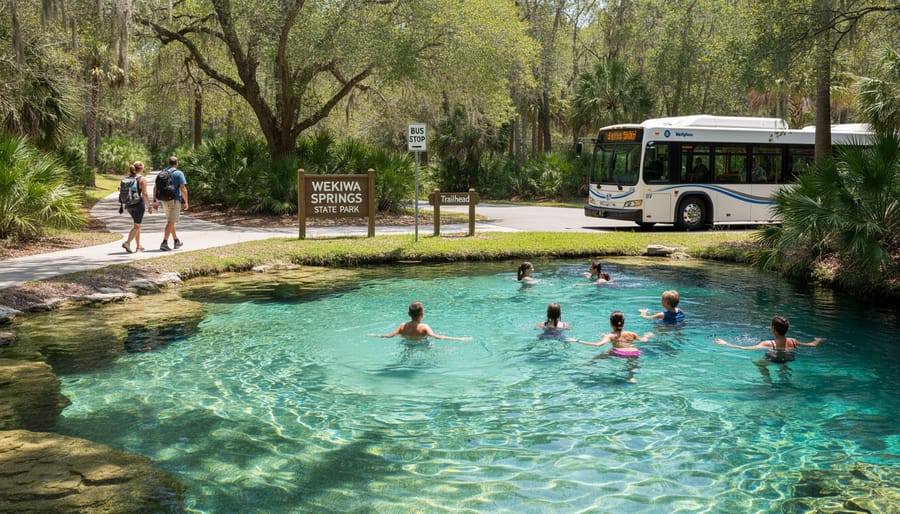
Located about 30 minutes north of downtown Orlando, Wekiwa Springs State Park offers a pristine escape into Old Florida wilderness where crystal-clear springs meet diverse ecosystems. While reaching this natural gem without a car requires some planning, the reward of hiking through 8,000 acres of protected landscape makes the effort absolutely worthwhile.
Your best transportation option involves taking the Lynx bus Route 443 from downtown to Apopka, then arranging a rideshare for the final five miles to the park entrance. Consider splitting costs with fellow hikers you’ve connected with through local outdoor groups, transforming your journey into a community adventure that reduces both environmental impact and expenses.
The park’s 13.5-mile trail system ranges from easy boardwalk strolls to challenging backcountry routes. The Sand Lake Trail offers a moderate 4.8-mile loop through sand pine scrub and hardwood hammocks, where you might spot white-tailed deer or gopher tortoises. For a shorter option, the 1-mile Wekiwa Springs Trail provides gentle terrain perfect for warming up before your swim.
Here’s the magic: plan your hike for early morning when temperatures are coolest, then reward yourself with a refreshing dip in the 72-degree spring waters. The swimming area near the spring head provides the perfect natural recovery pool after miles on the trail.
Take advantage of ranger-led programs offered on weekends, where you’ll learn about the spring’s role in the larger Wekiva River ecosystem and understand why protecting these watersheds matters for Central Florida’s future. Bring a refillable water bottle and use the park’s fountains to stay hydrated while minimizing plastic waste throughout your adventure.
Lake Apopka Wildlife Drive Loop
Reaching Lake Apopka Wildlife Drive requires some creative transportation planning, but this birding paradise rewards your effort with one of Central Florida’s most inspiring conservation comeback stories. Once considered one of Florida’s most polluted lakes, Lake Apopka has transformed into a thriving wildlife sanctuary hosting over 360 bird species.
The 11-mile loop trail follows perfectly flat terrain ideal for walking or cycling, though getting there car-free means coordinating rideshare services or connecting with local birding groups who often welcome enthusiastic passengers. Consider posting in Orlando-area hiking and birding forums—the community here genuinely embraces newcomers, and many experienced birders make regular weekend trips.
Visit during winter months between November and March when migratory species arrive in spectacular numbers. You’ll spot everything from roseate spoonbills and glossy ibises to bald eagles and limpkins. Early morning visits offer the best wildlife viewing, with golden light illuminating the marshes and cooler temperatures keeping birds active.
Pack binoculars, a field guide or birding app, plenty of water, and sun protection—there’s minimal shade along the route. The exposed conditions mean excellent visibility for photography but intense sun exposure, so plan accordingly. Bring snacks since no facilities exist on-site.
The restoration success story here demonstrates what dedicated environmental action achieves. Witnessing thousands of wading birds where agricultural runoff once decimated ecosystems reminds us why choosing sustainable transportation matters. Every car-free adventure contributes to the broader conservation mission that saved this remarkable place.
Orlando Urban Trail Network
Orlando’s urban trail network offers something truly special—miles of interconnected greenways weaving through neighborhoods where you can genuinely forget you’re in a major metropolitan area. These paved pathways transform spontaneous hiking adventures into reality, accessible from various transit stops and perfect for exploring on foot.
The Cady Way Trail stands out as the crown jewel of accessibility, stretching 6.5 miles from Winter Park through Fashion Square Mall to the Orlando Urban Trail downtown. You’ll discover surprising pockets of wilderness along this route, where oak canopies create natural tunnels and native butterflies dance between wildflowers. The trail connects seamlessly with LYNX bus routes, making it ideal for car-free adventurers who want flexibility in their hiking plans.
For those seeking community connections, the Little Econ Greenway offers more than just exercise—it’s where locals gather, forming an organic network of trail enthusiasts who’ve learned to appreciate Orlando’s quieter side. The 3.5-mile path follows the Little Econlockhatchee River, providing genuine nature immersion while remaining wonderfully accessible via public transit from downtown.
Don’t overlook the West Orange Trail extension into Orlando proper, where you’ll find hidden gems like interpretive signs explaining Florida’s unique ecosystems. The trail’s connection points near Colonial Drive make it surprisingly reachable without personal vehicles.
These greenways represent something bigger than recreation—they’re Orlando’s commitment to sustainable urban design. By choosing these paths, you’re supporting infrastructure that reduces carbon emissions while experiencing nature’s restorative power. Pack water, download offline maps, and remember that the best hiking adventures often happen when you simply step outside your door and start exploring. The urban wilderness awaits, no car required.
Essential Gear for Car-Free Hiking Adventures
Traveling light on public transit doesn’t mean sacrificing comfort on the trail—it’s about choosing smarter, not harder. When you’re hopping buses to reach Orlando’s natural spaces, every item in your pack needs to earn its spot.
Start with a compact daypack in the 20-25 liter range. This size fits comfortably on your lap during bus rides without annoying fellow passengers, while holding everything you need for a full day outdoors. Look for bags made from recycled materials to align your gear choices with your eco-friendly transportation decisions.
Footwear deserves special attention since you’ll be walking from bus stops to trailheads. Your hiking shoes need to handle both urban sidewalks and natural terrain without feeling bulky during transit. Consider trail runners or lightweight hikers that transition seamlessly between environments.
Florida’s unpredictable weather makes a packable rain jacket non-negotiable. Choose one that stuffs into its own pocket—these compress to nearly nothing but provide crucial protection when afternoon storms roll in. Multi-use items are your best friends: a buff or bandana serves as sun protection, sweat management, and emergency first aid supplies.
Hydration deserves priority, but skip heavy bottles. A collapsible water reservoir or bottle reduces weight and bulk on your return journey. Pair this with a reusable silicone container for snacks, cutting down on single-use plastics while keeping your pack organized.
Don’t overlook safety essentials. A quality headlamp weighs almost nothing but proves invaluable if you misjudge trail times or catch a later bus home. Download offline trail maps on your phone to navigate without cell service, and carry a portable battery pack.
The beauty of car-free hiking is embracing minimalism. You’ll discover that less gear often means more freedom, deeper connection with nature, and a lighter environmental footprint—literally and figuratively.
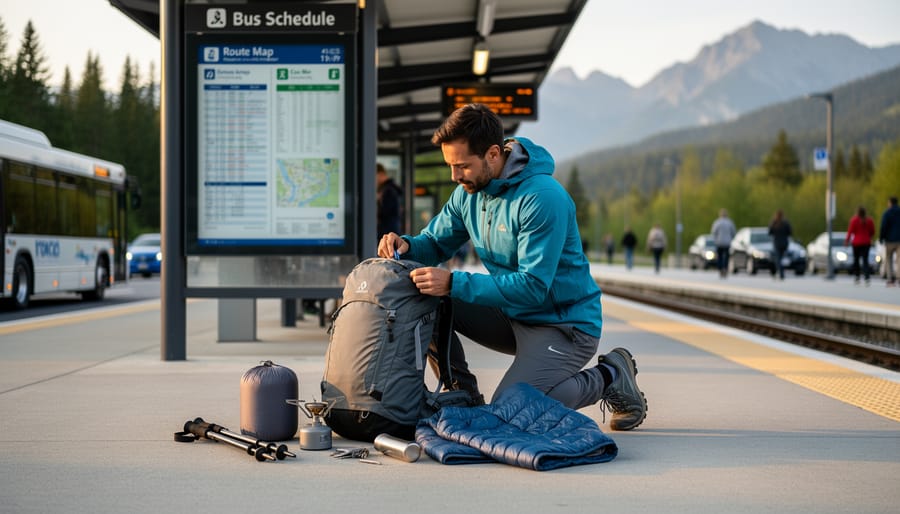
Planning Your Car-Free Hiking Day Trip
Planning a car-free hiking adventure requires a bit more preparation than driving to a trailhead, but the extra effort transforms into a more mindful, connected experience. Start by choosing your trail and working backwards from there. Check the Lynx bus schedules for routes serving your selected area, and build at least 30-minute buffers on both ends of your trip. Buses sometimes run behind schedule, and you’ll want breathing room to avoid that rushed, stressful feeling.
Weather monitoring becomes your best friend when you’re dependent on public transit. Download reliable weather apps and check forecasts the evening before and again the morning of your hike. Central Florida’s afternoon thunderstorms are predictable but powerful, so plan to complete your trail time by early afternoon during summer months. If conditions look dicey, have a backup plan ready, whether that’s a shorter trail option or rescheduling altogether.
Communication is essential for safety and peace of mind. Share your complete itinerary with someone you trust, including bus numbers, trail names, and expected return times. Take screenshots of bus schedules in case you lose cell service, and pack your phone with a portable charger. Don’t forget essentials like water, snacks, and basic first aid supplies alongside any backpacking gear you might need.
Build flexibility into your schedule by targeting trails with multiple bus departure options throughout the day. This removes pressure and lets you enjoy the experience rather than watching the clock. Remember that the last bus of the day is non-negotiable, so always plan to finish your hike with time to spare. This relaxed approach honors both your adventure spirit and the practical realities of car-free exploration.
Connecting with Orlando’s Outdoor Community
Finding your tribe of car-free adventurers transforms solo outings into shared experiences while building a supportive network for sustainable exploration. Orlando’s outdoor community is surprisingly vibrant and accessible without wheels.
Start with the Orlando Sierra Club, which hosts regular group hikes departing from Lynx-accessible meeting points. Their volunteer leaders coordinate carpools from transit stations, making remote trails reachable for members without cars. The Florida Trail Association’s Central Florida chapter similarly organizes monthly excursions with transportation-sharing options. These organizations welcome newcomers enthusiastically and often combine hikes with budget-friendly outdoor adventures like potluck gatherings and skill-building workshops.
Social media platforms like Meetup and Facebook groups such as “Orlando Hikers” and “Central Florida Trail Runners” regularly post car-free friendly outings. Don’t hesitate to request transit-accessible options when you see interesting hikes posted—you’ll likely discover others facing the same transportation challenges.
Advocacy matters too. Support organizations like Bike/Walk Central Florida and Friends of the Orlando Urban Trail, which push for better trail connectivity and public transit expansion to natural areas. Attend Orange County Parks Department public meetings to voice support for shuttle services to popular trailheads. When you share your car-free hiking experiences online, tag local transit authorities and parks departments—visibility drives change.
Remember, every shared ride, every transit trip to a trailhead, and every conversation about sustainable recreation helps build momentum for a more accessible, environmentally conscious outdoor community in Orlando.
Orlando’s car-free hiking options prove that accessible outdoor adventures and environmental stewardship go hand in hand. By choosing public transportation, shuttles, or ride-sharing to reach trailheads, you’re not just reducing emissions—you’re becoming part of a growing movement that prioritizes the health of our natural spaces. Every car-free hike means less traffic congestion, cleaner air, and reduced pressure on parking areas that can damage sensitive ecosystems.
The beauty of car-free hiking extends beyond environmental benefits. You’ll discover a more relaxed pace, meet fellow adventurers on the bus, and arrive at trailheads ready to explore rather than stressed from navigating traffic. Without worrying about vehicle logistics, you can fully immerse yourself in the experience, whether that’s watching sunset over Lake Eola or spotting wildlife along the trails.
Ready to start your car-free hiking journey? Pick one trail from this guide, check the transit schedule, and take that first step. Your adventure awaits, and our planet will thank you for choosing a path that protects the wild places we treasure. Together, we’re proving that sustainable outdoor recreation isn’t just possible in Orlando—it’s the future of how we connect with nature.